
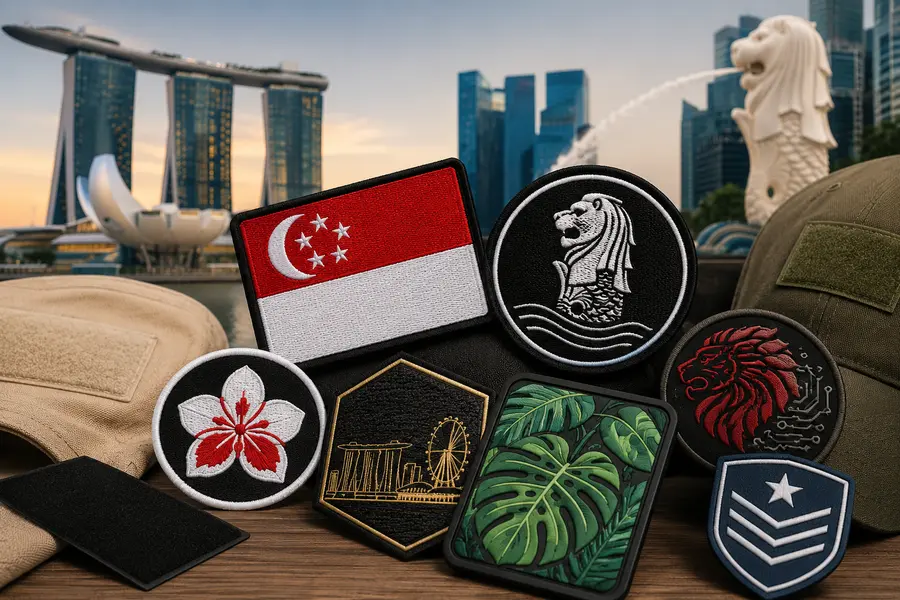
Custom Patches in Singapore: Top Trends To Follow In 2026
Custom patches have quietly become one of the most practical ways brands, schools, and everyday buyers in Singapore personalise what they wear. What used to be a niche add-on for uniforms or military gear now shows up on streetwear jackets, corporate polos, school bags, and even security vests. The reason is simple: patches let people change how something looks without replacing it entirely.
Heading into 2026, the styles and materials people are choosing say a lot about what they actually need, not just what looks good. Some want durability for outdoor use, others want a quick way to stand out, and a growing number just want their branding to look consistent across every product they sell. That mix is exactly what’s shaping the trends below.
Durability Is Driving Material Choices For Custom Patches
Embroidery still looks great, but it isn’t always the practical choice. PVC patches, sometimes called rubber patches, hold up better against rain, sweat, and daily wear, which is why they’ve become the go-to for outdoor gear, bags, and uniforms that see real use. They don’t fray at the edges the way stitched thread can, and they keep their shape even after months of washing.
Why Businesses Are Switching
This is exactly why most custom patches sg suppliers now stock PVC alongside embroidery as a standard option, not an upgrade. Corporate clients ordering uniforms for outdoor staff, security teams, or delivery services are asking for it by name. It’s less about following a trend and more about patches lasting as long as the uniform does.
Patches Are Getting Tech Upgrades
A small number of patches now come with embedded tech, usually NFC chips or small Bluetooth trackers sewn into the backing. It’s still a niche category, but it’s growing, mostly in event and fitness spaces.
Innovation
Instead of just displaying a design, these patches carry a small chip that can store or transmit information.
Smart Tech
NFC and Bluetooth do most of the work here, both cheap enough now to embed without adding bulk.
Real Uses
At events, these are used for digital ticketing. Someone taps their patch at entry instead of scanning a ticket. In fitness gear, similar tech tracks basic activity or location, useful for group hikes or training programs.
It’s not replacing traditional patches anytime soon, but for specific use cases, it’s solving a real problem.
Are Eco-Friendly Patches Worth It?
More buyers are asking this question directly, and the short answer is yes, if the maker is genuinely using better materials. Organic cotton backing and water-based dyes are showing up more often, especially from suppliers working with schools and corporate clients who have their own sustainability targets to meet. These aren’t marketing add-ons; they change how the patch is actually produced, from the fabric source to the ink used for colour.
For schools ordering badges in bulk or companies rolling out new uniforms, this shift matters beyond the label. It affects how the patch feels, how it washes over time, and whether it fits into a company’s broader environmental commitments.
Racing Styles Are Still a Streetwear Favourite
JDM and motorsport-style patches haven’t slowed down in Singapore’s streetwear scene. Bold typography, racing numbers, and black-and-white embroidery keep showing up on hoodies, denim jackets, and caps, borrowing directly from car culture rather than typical fashion references. It’s a specific look, and that’s exactly why it works, since it’s easy to recognise and just as easy to style.
Why This Style Sticks Around
Part of the appeal is how easy these designs are to swap between outfits. A lot of these are made as custom sew on patches, which means buyers aren’t stuck with one jacket. The same patch can move from a denim jacket to a tote bag without needing a new one made each time.
Old-School Styles Are Coming Back
Vintage isn’t just a filter effect anymore. It’s showing up in actual patch designs. Faded colour palettes, heritage-style fonts, and worn-in textures are making their way onto casual jackets and everyday streetwear, giving new pieces a lived-in feel without actually being old.
Chenille varsity letters are part of this same wave. That soft, slightly raised texture used to be reserved for school jackets and sports teams, but it’s now turning up on hoodies and casual jackets that have nothing to do with either.
A few reasons this keeps working:
- It gives plain apparel a sense of history, even if the piece is brand new
- The texture stands out more than flat embroidery, so it reads better up close
- It pairs easily with minimal outfits, since one patch does most of the visual work
- Schools and student groups still use it for genuine varsity-style pieces
Customisation Is Happening On the Spot
Some retailers have stopped treating patches as something you order and wait for. Instead, they’ve set up patch bars, small in-store stations where customers pick a design and have it fused onto their jacket, cap, or bag right there.
It changes the whole experience. There’s no back-and-forth over email, no guessing how a patch will look once it’s on the fabric. You see it applied, on your own item, before you leave the store.
This works well for a few reasons:
No commitment issues: You’re choosing from patches you can see and touch, not a digital mockup.
Instant results: Most placements take a few minutes, not days.
Better for gifting: Personalising something on the spot makes it feel intentional, not last-minute.
Leather Finishes Add a Premium Touch
Debossed and embossed leather patches are an easy way for brands to look more established than they might actually be. The logo is pressed into the leather rather than printed or stitched on top, giving it a cleaner, more permanent finish that works well on bags, jackets, and even caps.
Lifestyle brands lean on this a lot, since it delivers a premium feel without the cost of full leather goods. To keep that branding consistent, many businesses pair these patches with custom clothing labels and tags, so the look carries through from the outside of a product to the inside stitching and packaging as well.
Uniforms Still Rely on Practical Patches
Velcro-backed patches aren’t new, but they’ve stayed relevant for a simple reason: uniforms change more often than people think. Security firms and armed forces units use them because roles, ranks, and assignments shift, and swapping a patch is far easier than replacing an entire uniform.
A few reasons it keeps working:
- Patches can be swapped in seconds when someone changes teams or duties
- One uniform can serve multiple roles without separate stitched versions
- Damaged or worn patches get replaced without touching the garment itself
- It keeps uniform costs down, since the base clothing stays usable longer
Fine Detail Work Is Shifting to Woven Patches
Embroidery has limits. Once text gets small enough, the thread starts to blur letters together, and fine details lose their shape. That’s where woven patches come in, they use thinner threads and a flatter finish, which keeps tiny logos and text sharp instead of raised and bulky.
Where This Matters Most
This is why small-batch brands and businesses ordering detailed labelling often move away from standard embroidery altogether. It’s a common ask from custom patches SG buyers who need compact branding on caps, tags, or product labels where space is limited.
The tradeoff is texture. Woven patches sit flat rather than raised, so they suit projects where legibility matters more than a 3D look, like small logos, size labels, or care instructions.
Picking the Right Patch for Your Need
With this many options, the choice usually comes down to what the patch actually needs to survive. If it’s going on outdoor gear or a uniform that gets washed often, durability matters more than fine detail, so PVC or embroidery makes more sense than something delicate. If the design has small text or a compact logo, woven works better than embroidery, which tends to blur finer lines.
Budget and turnaround time matter too. Iron-on options are quicker and cheaper for casual projects, while custom sew-on patches hold up longer on items people wear daily, like jackets or bags. There’s no single best choice, just the right one for how the patch will actually be used.
FAQs
Can I wash clothes with a patch sewn on?
Yes, sewn-on patches hold up well through regular washing. It’s best to wash on a gentler cycle and avoid high heat drying, which can loosen threads over time.
What’s the difference between embroidered and woven patches?
Embroidered patches have a raised, textured look from thicker stitching, while woven patches use thinner threads for a flatter finish. Woven works better for small text or detailed logos that embroidery can blur.
Do custom patches need a minimum order quantity?
Most Singapore manufacturers set MOQs between 20 and 50 pieces, though some offer no-minimum options at a higher per-unit cost. It usually pays off to order in bulk if you can.
How many colours can I use in one patch design?
Most suppliers include up to 9 thread colours as standard. Designs needing more colours are still possible but usually cost more.
How long do iron-on patches actually last?
With proper application and care, iron-on patches can survive 20 to 30 washes. Adding a few stitches around the edges afterward makes them last even longer.
Choosing What Fits Your Needs
Patches in Singapore have moved well past being a simple add-on. Whether it’s durability for uniforms, detail for small logos, or just wanting to swap a design between jackets, each trend here solves a specific, practical need rather than just following a look. The right patch usually comes down to how it’ll actually be used, not just how it looks on day one.

Elina Meyda is a custom patch design specialist and branding consultant at Patches.sg, a leading provider of high quality custom patches in Singapore. With extensive experience in patch manufacturing and branding solutions, Elina helps businesses, organizations, and individuals create durable and visually striking patches for uniforms apparel promotional campaigns, and personal projects. She is passionate about combining creativity with premium craftsmanship to deliver patches that enhance brand identity and personal style. Through her content Elina shares insights on patch design trends, customization techniques, material selection and branding strategies helping readers make informed decisions when creating custom patches that leave a lasting impression.